

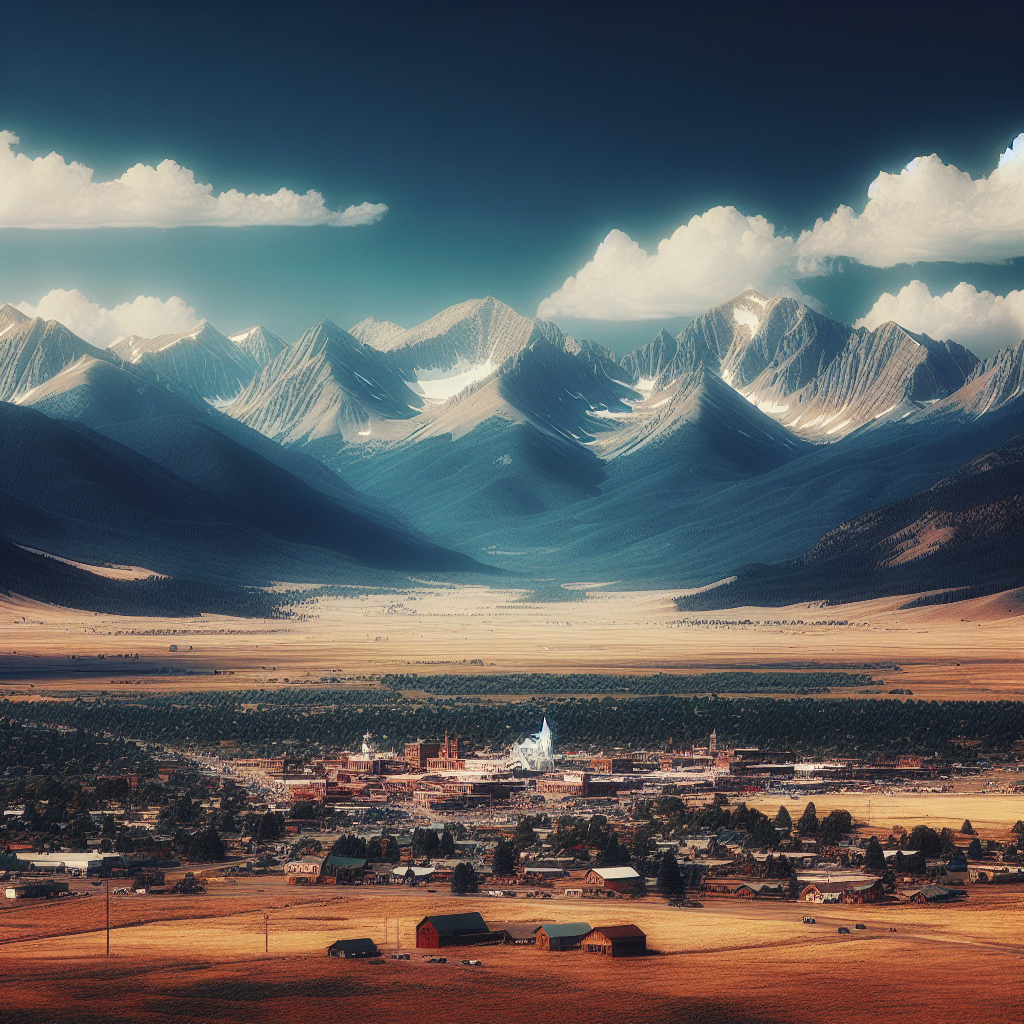
Westcliffe, Colorado, nestled in the Wet Mountain Valley at an elevation of approximately 7,800 feet, experiences a diverse range of weather conditions throughout the year. Understanding these patterns is essential for residents and visitors alike.
Winter: Cold and Snowy
From November to February, Westcliffe endures cold temperatures, with average highs in the mid-30s to low 40s Fahrenheit and lows often dropping well below freezing. Snowfall is common, contributing to the area’s picturesque winter landscape. The dry air typical of the region can make the cold more tolerable, and the snow-covered Sangre de Cristo Mountains provide a stunning backdrop.
Spring: Gradual Warming
March through May brings a gradual warming trend. Daytime highs transition from the 40s into the 60s by May, while nighttime temperatures can still be quite chilly. Precipitation increases slightly, with a mix of rain and snow in the earlier months, shifting to more rain as temperatures rise. This period marks the valley’s awakening, with blooming flora and rejuvenated landscapes.
Summer: Warm and Pleasant
June to August is characterized by warm days and cool nights. Daytime temperatures typically range from the mid-70s to low 80s, cooling to the 40s and 50s at night. The low humidity makes the summer heat pleasant, and the cool evenings are ideal for stargazing. This season also brings the monsoon, with afternoon thunderstorms that usually pass quickly, leaving fresh, clear air.
Autumn: Crisp and Colorful
September and October offer delightful weather, with daytime highs in the 60s to 70s and crisp nights. The aspen trees turn brilliant gold, contrasting beautifully with the evergreens and blue skies. Lower precipitation levels make it an excellent time for hiking and outdoor activities.
Understanding these seasonal patterns helps residents and visitors plan activities and appreciate the natural beauty that each season brings to Westcliffe.