

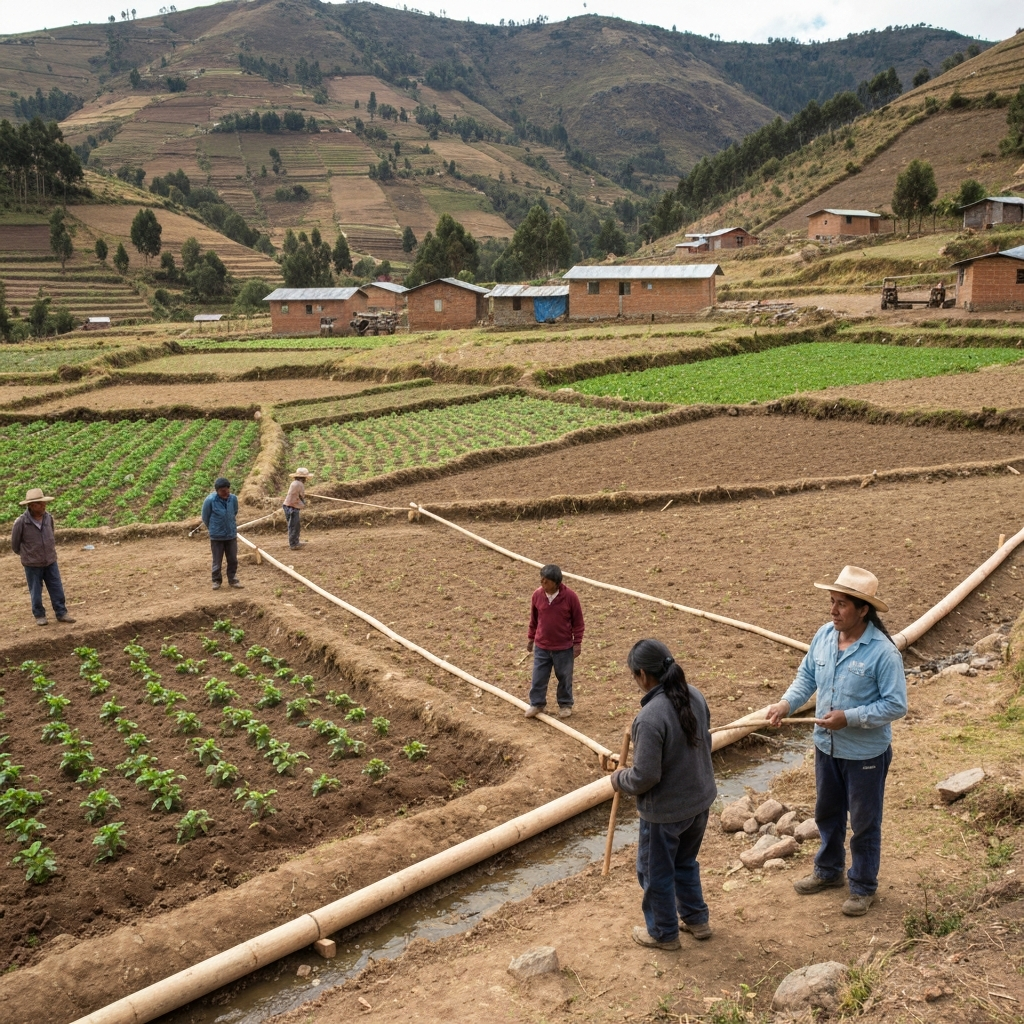
In our interconnected world, events unfolding thousands of miles away can have profound effects on rural communities like Westcliffe, Colorado. Understanding these global-local connections is essential for building resilience and ensuring sustainable development.
Global Events and Their Local Repercussions
International crises, such as conflicts in key regions, can disrupt global supply chains, leading to increased costs for essential goods. For instance, disruptions in fertilizer and fuel shipments through critical maritime routes have impacted farmers worldwide, including those in rural areas, by causing supply-side shocks and inflationary pressures.
Climate change-induced events, like prolonged droughts and extreme weather, have also intensified water scarcity, affecting agriculture and livelihoods in rural regions. A report highlighted that nearly 116 million people in eight African countries faced severe water crises, underscoring the global nature of these challenges.
Building Local Resilience
To mitigate the impacts of global events, rural communities can adopt several strategies:
- Diversifying Economies: Encouraging local businesses and alternative industries can reduce dependence on external markets.
- Investing in Sustainable Practices: Implementing water conservation techniques and sustainable farming methods can enhance resilience against climate-induced challenges.
- Strengthening Community Networks: Building strong local networks can facilitate resource sharing and collective problem-solving during crises.
By proactively addressing these global-local linkages, communities like Westcliffe can better navigate the complexities of our globalized world and safeguard their future.