

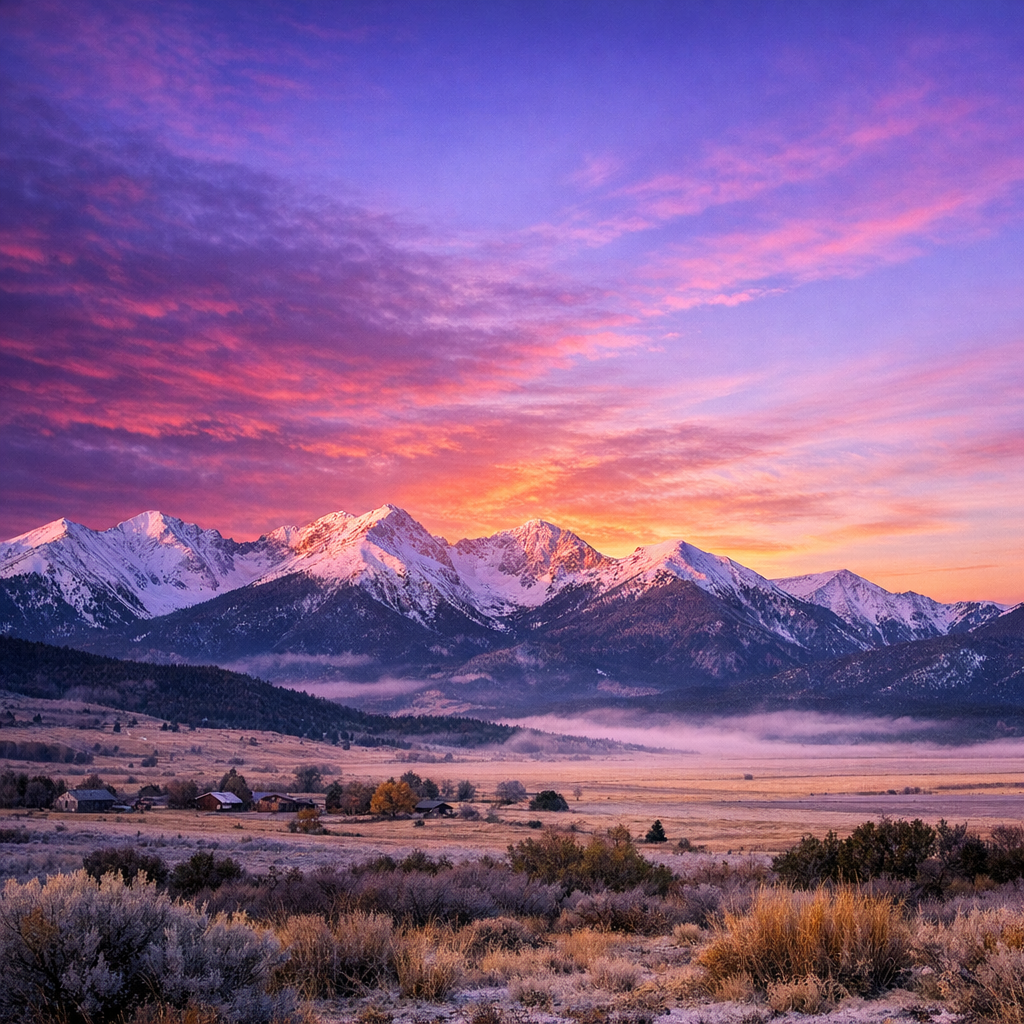
I’m Mason Miller reporting on weather and environment in Westcliffe—a high-country town where every season feels like a story of its own. Between cold winters, warm summers, and even bigger changes from year to year, we’re seeing some patterns we all should keep an eye on.
Typical Weather Rhythms Around Here
Westcliffe sits at elevation, tucked into the Wet Mountain Valley where cold winters and warm summers are the norm. Average high temps in July reach the upper 70s Fahrenheit; January lows often dip near 15°F. Winter snowfall can be heavy, especially above 8,000 feet, but summer brings dry days with thunderstorms likely in the afternoons. There’s low humidity most of the year, and nights tend to cool off sharply.
Why Elevation Matters
As elevation climbs, temperatures drop—often dramatically. Summer afternoons at 10,000 feet might feel like the kind of weather that, in lower valleys, would only happen in spring or fall. Winters linger longer, and spring’s gradual awakening—flowering, snowmelt, leaf-out—can be delayed until May or even June in alpine areas.
Water & Snow: Natural Reservoirs in Motion
Winter snowpack serves as our year’s savings account for water. When snow melts—typically in April through early June—it feeds streams, meadows, and valley reservoirs. A solid snowpack means better summer pastures, healthier gardens, and cleaner rivers. So when winters are thin or snow melts early, everything downstream feels the squeeze.
Under the Radar: Climate Shifts You Might Already Be Sensing
Recent assessments show Colorado warming significantly—winters, springs, summers, and falls are all getting warmer, with fall warming fastest lately. For Westcliffe, the result is longer growing seasons and milder winters. But it’s not all good news. Drier summers and shifts in precipitation timing are raising risks for drought, fire, and water shortages.
What to Look Out For
- Shorter snow cover period—snow still falls heavily, but stays on the ground for fewer days.
- Earlier springs—flowers, trees, and insects waking earlier than in past decades.
- More intense summer storms—thunderstorms that come fast, with heavy rain, hail, or lightning.
- Lower soil moisture in late summer—hot, dry soils can stress plants and increase fire risk.
Why This All Matters Locally
These changing patterns affect ranching, gardening, tourism, and daily life. Snow for ski or snowmobile seasons, moisture for hay and pasture, water for rivers and wells—all depend on how weather behaves through the highs and lows.
Local Adaptation & Doing What We Can
Community efforts—like improving snowpack monitoring, conserving water during dry months, protecting forest areas, and supporting vegetation that tolerates drought—are more important now than ever. Paying attention to forecasts isn’t just weather talk; it’s a strategy for our land, water, and way of life.
If you like, I can pull together monthly summaries specific to Westcliffe—temperature trends, precipitation shifts, and things to plan for—from now through coming seasons.