

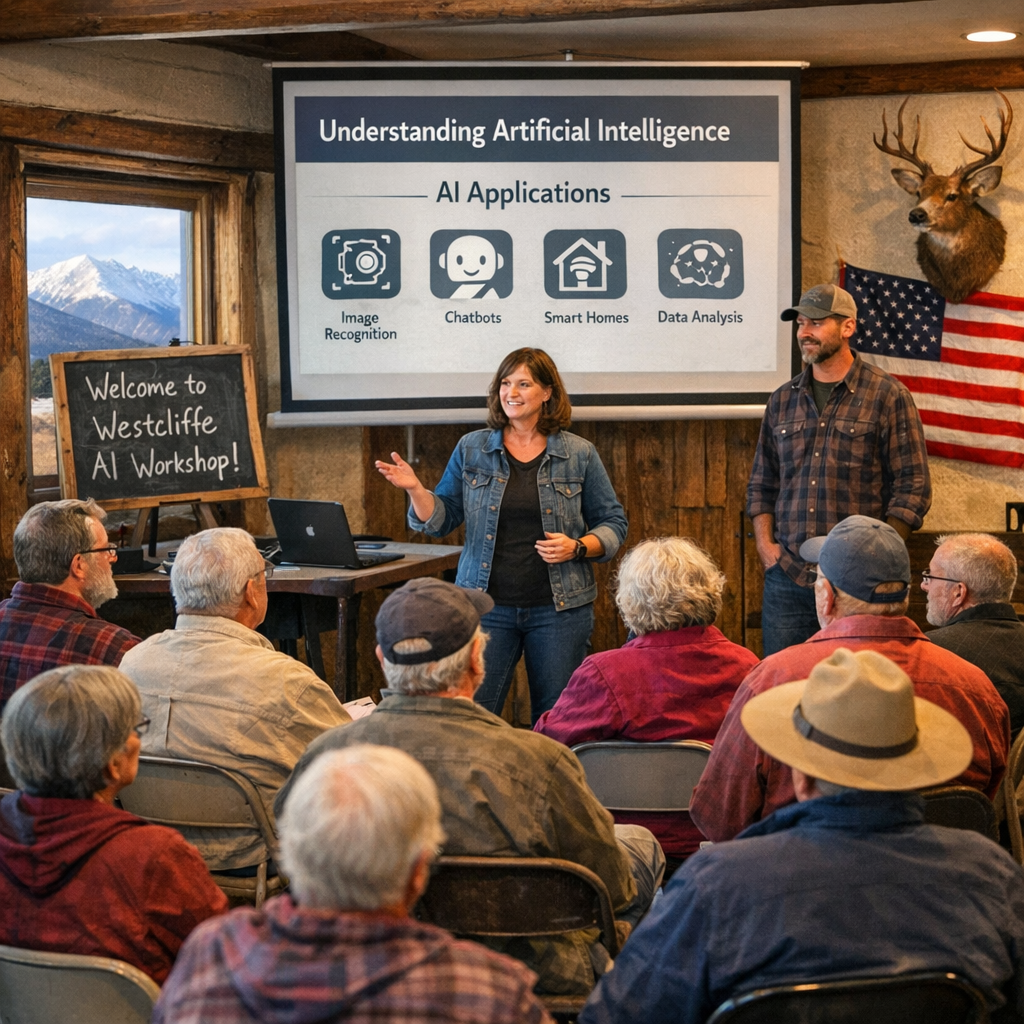
Artificial Intelligence (AI) is rapidly transforming industries and communities worldwide. However, a recent Microsoft report highlights a significant disparity: nearly one-third of urban residents use AI, compared to only 16.2% in rural areas. This digital gap could exacerbate existing economic disparities, emphasizing the need for rural communities like Westcliffe to embrace AI technologies.
Integrating AI into local services offers numerous benefits. For instance, AI can support overburdened rural doctors by providing diagnostic assistance and managing patient data, thereby improving healthcare access and quality. Additionally, AI-driven platforms can enhance educational resources, offering personalized learning experiences for students and professional development opportunities for educators.
Economic development is another area where AI can make a substantial impact. By adopting AI technologies, local businesses can streamline operations, optimize supply chains, and better understand customer preferences. This not only boosts efficiency but also opens new markets and opportunities for growth.
To bridge the digital divide, it’s crucial to invest in high-quality broadband infrastructure, ensuring all residents have access to reliable internet services. Community workshops and training programs can also play a vital role in increasing AI literacy, empowering residents to utilize these technologies effectively.
By proactively embracing AI, Westcliffe can enhance its services, stimulate economic growth, and ensure its community thrives in the digital age.