

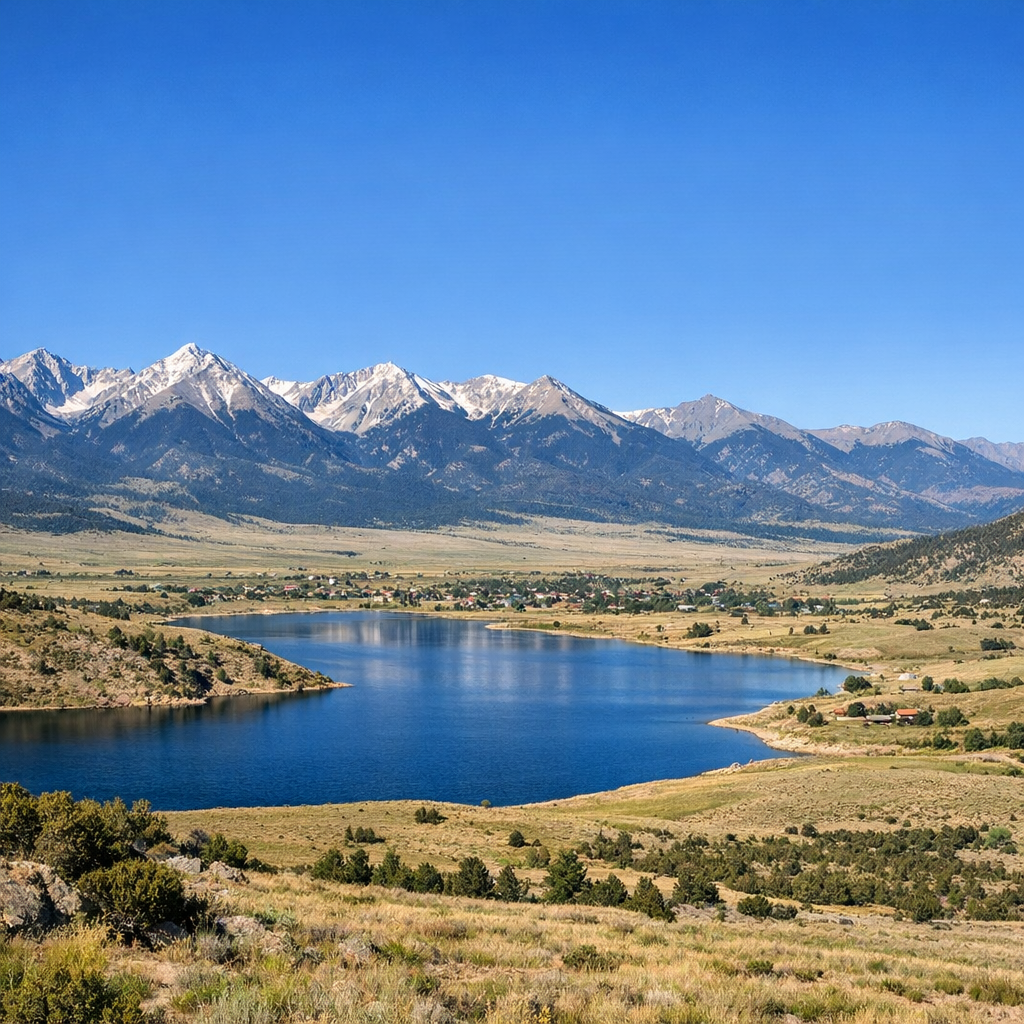
Westcliffe, Colorado, nestled at an elevation of approximately 7,888 feet, experiences a diverse climate characterized by warm, dry summers and cold, snowy winters. The average annual high temperature is around 58.5°F, with lows averaging 26.1°F. Precipitation is relatively modest, averaging 13.5 inches annually. The growing season typically spans from early June to early September, aligning with the last and first frost dates.
Seasonal Climate Patterns
During the summer months, particularly from late June to late August, Westcliffe enjoys warm temperatures, making it an ideal period for outdoor activities. July stands out as the warmest month, with average highs reaching 79°F and lows around 52°F. Conversely, the winter season, from late November to late February, brings colder conditions, with December being the coldest month, averaging highs of 38°F and lows of 16°F.
Environmental Concerns
Toxic Algae Blooms
In recent years, DeWeese Reservoir, a popular local water body, has faced challenges with toxic blue-green algae blooms. These blooms can pose health risks to humans and animals, leading to advisories against water contact during affected periods. Residents and visitors are advised to stay informed about current water conditions and adhere to guidelines issued by local authorities.
Wastewater Treatment Challenges
The Round Mountain Water and Sanitation District has been working to upgrade its wastewater treatment facilities to meet evolving environmental standards. The existing system, installed in 1975, requires significant updates to comply with new discharge limits set to take effect by December 2027. The district is exploring innovative treatment solutions to address these challenges and ensure the long-term sustainability of the community’s water resources.
Community Initiatives
Westcliffe’s commitment to environmental stewardship is evident in its designation as an International Dark Sky Community. This recognition reflects the town’s efforts to reduce light pollution and preserve the natural night environment, benefiting both residents and the local ecosystem.
Understanding Westcliffe’s unique climate and environmental challenges is essential for residents and visitors alike. Staying informed and engaged with local initiatives can help ensure the community continues to thrive amidst these dynamic conditions.